
Why Do Some Websites Have Country Codes? A 2026 Guide for Digital Entrepreneurs
Why Do Some Websites Have Country Codes? The Direct Answer
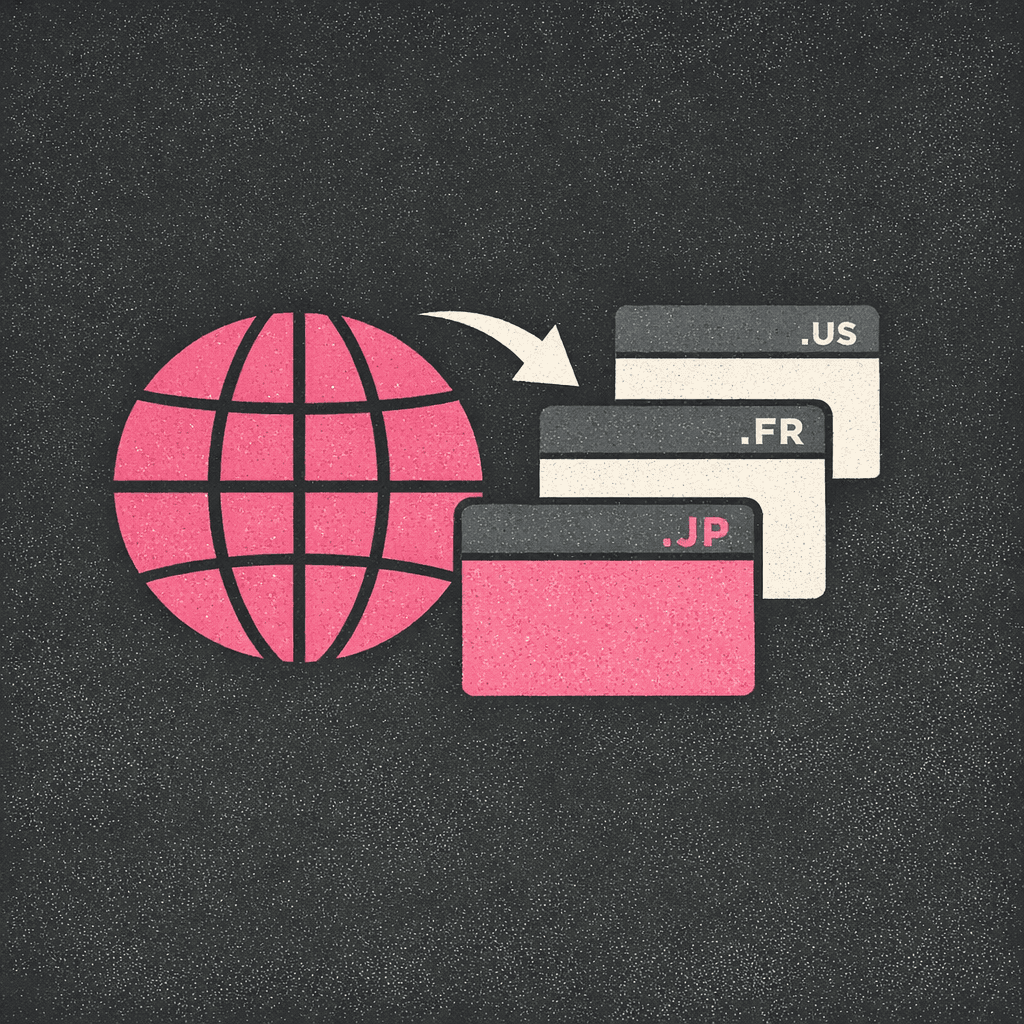
Websites have country codes in their domain names to indicate a specific geographic association or target audience. Known as country code top-level domains (ccTLDs), these extensions—like .uk, .au, or .de—immediately signal to users and search engines the country, territory, or sovereign state the website is connected to. In 2026, ccTLDs are more relevant than ever for digital entrepreneurs, domain investors, and startups aiming to localise their presence, improve SEO, and build trust with regional audiences.
Why This Matters: The Importance of Country Code Domains
With the growth of global e-commerce and increased digital competition, understanding why some websites have country codes is crucial for:
- Building local trust and credibility
- Enhancing regional search engine optimisation (SEO)
- Navigating legal and regulatory requirements by country
- Protecting your brand from cybersquatting and misuse
- Tailoring content and marketing to specific demographics
In 2026, as businesses expand internationally and regulatory scrutiny increases, ccTLDs offer both strategic and practical advantages for digital asset owners.
What Are the Country Codes for Websites?
Country code top-level domains (ccTLDs) are two-letter domain extensions assigned to countries or territories based on the ISO 3166-1 alpha-2 standard. Common examples include:
- .au for Australia
- .uk for the United Kingdom
- .de for Germany
- .fr for France
- .ca for Canada
- .jp for Japan
Each ccTLD is managed by a designated national registry, which sets policies for registration, eligibility, and use. Some ccTLDs require proof of local presence, while others (like .io or .ai) have become popular globally due to their branding potential.
Real-World Example: Why Do UK Websites End in .co.uk?
UK websites often end in .co.uk because .uk is the country’s ccTLD. The .co.uk extension is specifically designed for commercial entities within the United Kingdom. While .uk domains are now also available, .co.uk remains widely used due to its established trust and familiarity among UK consumers. Choosing the right extension (.co.uk vs .uk) can impact your brand’s local perception and search visibility.
Key Reasons Websites Use Country Codes
1. Targeting Local Audiences
- ccTLDs signal to visitors and search engines that your website is intended for a specific country
- Helps increase click-through rates and engagement from users in that region
2. Enhancing Local SEO Performance
- Search engines like Google use ccTLDs as a strong geo-targeting factor
- Local websites often rank higher in their respective country’s search results
3. Meeting Legal and Regulatory Requirements
- Certain countries require businesses to operate on a local ccTLD for compliance or data protection
- ccTLDs may be necessary for participating in local e-commerce or government programmes
4. Building Trust and Credibility
- Consumers are more likely to trust websites with local extensions, especially for sensitive transactions
- ccTLDs can reduce hesitation during checkout for e-commerce platforms
5. Protecting Your Brand and Preventing Cybersquatting
- Registering country-specific domains helps prevent others from misusing your brand name
- Defensive registrations can secure your digital identity across multiple markets
6. Leveraging Cultural and Linguistic Relevance
- ccTLDs allow you to offer content, products, and customer support tailored to local languages and customs
- Increases brand affinity and long-term loyalty
How to Find Out What Country a Website Is From
To determine the country a website is associated with:
- Look at the domain extension (e.g., .fr for France)
- Use WHOIS lookup tools to check the registrant’s country
- Analyse website content and contact details for location clues
- Check for local business registration numbers or certifications on the site
- Review the website’s privacy policy or terms for legal jurisdiction references
This research is vital for domain investors and startups considering domain acquisitions or partnerships in 2026.
Common Mistakes to Avoid with Country Code Domains
- Using a ccTLD for global branding when local presence is required
- Failing to secure matching ccTLDs for key markets, leaving your brand exposed to cybersquatting
- Registering ccTLDs without understanding renewal, residency, or content restrictions
- Assuming all ccTLDs are open for registration—some have strict eligibility rules
- Overlooking language or cultural nuances in your localised content
- Ignoring the impact of ccTLDs on SEO and paid advertising campaigns
Why Is Cybersquatting Illegal?
Cybersquatting is the act of registering, trafficking in, or using a domain name (including ccTLDs) with the bad-faith intent to profit from someone else’s trademark. This practice is illegal in many jurisdictions, including Australia and the UK, due to:
- Trademark and intellectual property laws
- Consumer protection regulations
- International agreements like the Uniform Domain-Name Dispute-Resolution Policy (UDRP)
In 2026, legal frameworks continue to evolve, especially for ccTLDs, making it critical for investors and entrepreneurs to act ethically and defensively register domains relevant to their brand. If you believe your brand is being targeted, consult a qualified legal expert and consider dispute resolution processes offered by the relevant domain registry.
Expert Tips: Maximising Value with Country Code Domains in 2026
- Research demand and restrictions for each ccTLD before investing
- Secure your primary brand name on relevant ccTLDs to protect future growth
- Use ccTLDs as part of a multi-domain strategy, combining them with premium .com names for broader reach
- Monitor regulatory changes and local market trends impacting ccTLD usage
- Localise your website’s content, payment methods, and customer support to match the expectations of each target market
- Consider premium ccTLDs or geo-domains available on marketplaces like Dotto to jumpstart your local presence or investment portfolio
Real-World Examples: Successful ccTLD Strategies
- Startups launching in Australia often secure both .com.au and .au domains for trust and SEO
- Tech companies leverage .io and .ai ccTLDs for their global branding, even though these codes were originally for British Indian Ocean Territory and Anguilla, respectively
- E-commerce brands expanding into Europe register .de, .fr, and .es to connect with German, French, and Spanish consumers
Action Steps: How to Choose and Secure the Right Country Code Domain
- Identify your core markets and research the local domain landscape
- Check availability and eligibility requirements for desired ccTLDs
- Register your brand name defensively on key ccTLDs—even if you aren’t launching locally right away
- Use trusted domain marketplaces like Dotto to find premium, memorable ccTLDs with verified ownership
- Regularly audit your domain portfolio to fill any geographic gaps and prevent potential brand misuse
- Partner with local legal and digital marketing experts to ensure compliance and maximum visibility
Ready to Enhance Your Brand with the Right Domain?
Understanding why some websites have country codes is essential for building a strong, trustworthy digital presence in 2026. Whether you’re targeting new markets, protecting your brand, or maximising investment returns, ccTLDs are a strategic tool that shouldn’t be overlooked. Explore premium ccTLDs and global digital assets on Dotto to future-proof your business and seize new opportunities today.