
Is Flipping Domains Still Profitable in 2026? Expert Insights & Tips
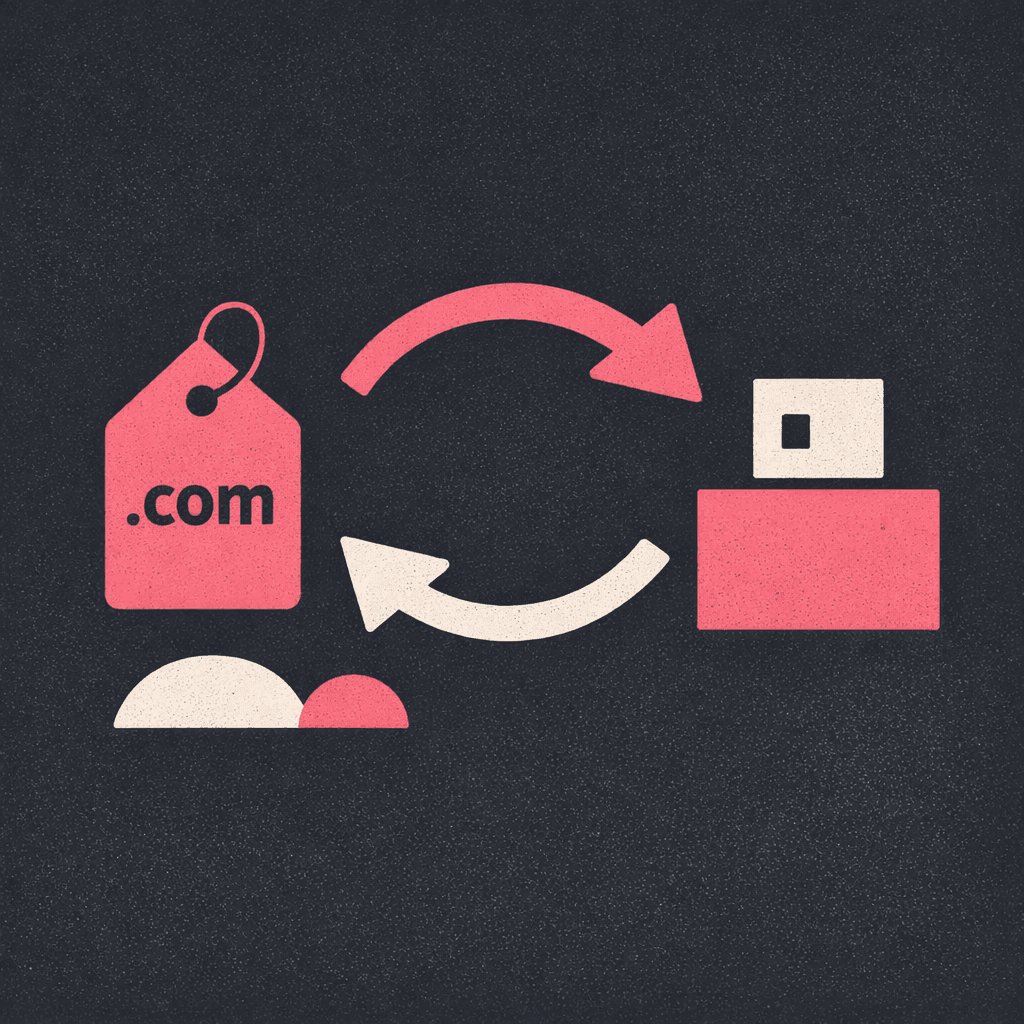
Is Flipping Domains Still Profitable in 2026?
Absolutely—flipping domains remains profitable for savvy investors in 2026. However, the landscape has evolved, and success now depends on strategy, expertise, and a keen understanding of the market. The digital world continues to expand, and premium domains are more valuable than ever for startups, brands, and entrepreneurs seeking visibility online.
Why This Matters for Investors and Entrepreneurs
In an era where digital presence defines business credibility, owning the right domain is crucial. Domain flipping—the practice of buying domains at a low price and selling them at a profit—has become a recognised investment channel, much like real estate. For startup founders, digital entrepreneurs, and domain investors, understanding if and how this business remains lucrative helps shape smarter decisions, especially in a market driven by innovation, branding, and globalisation.
The demand for premium, memorable, and keyword-rich domains continues to rise. As new businesses emerge and established brands rebrand or expand, the competition for quality domains intensifies. Platforms like Dotto make it easier for investors and founders to discover, purchase, and resell high-potential digital assets.
Key Factors Affecting Domain Flipping Profitability in 2026
Evolving Market Dynamics
- Increasing demand for short, brandable .com and .au domains
- Growth of alternative extensions like .ai, .app, and .io for tech startups
- Rising awareness of the value of geo-targeted and niche-specific domains
- Enhanced tools for domain valuation and trend analysis
The Role of AI and Automation
AI-powered research tools now help investors identify undervalued domains, forecast trends, and automate outreach to potential buyers. This technology streamlines processes but also raises the bar for competition.
Premium Domains and Brand Value
Premium domains—those that are short, memorable, and authoritative—remain the most profitable. Businesses are willing to invest in domains that instantly communicate purpose, enhance SEO, and build trust. Many of these are found on premium marketplaces like Dotto, where quality and exclusivity are prioritised.
Globalisation and Localisation
As businesses expand internationally, there’s increased demand for domains that suit both global and local audiences. For example, Australian startups may seek domains that resonate locally (.com.au) while also securing global equivalents.
Regulatory and Legal Considerations
Domain flipping is legal, but it’s crucial to understand the line between legitimate investing and domain squatting. Domain squatting—registering domains in bad faith to profit from trademarks or brand names—is illegal and subject to legal action. Responsible investors focus on generic, brandable, or keyword-rich domains, not protected trademarks.
Steps to Profit from Domain Flipping Now
1. Research and Identify High-Potential Domains
- Use domain analytics tools to assess search trends and keyword popularity
- Target domains that are short, easy to spell, and industry-relevant
- Avoid brand names or trademarks to stay on the right side of the law
- Explore trending niches, emerging industries, and new tech sectors
2. Acquire Domains Strategically
- Purchase expired domains with existing traffic or backlinks
- Register new domains based on rising keywords or future tech
- Leverage marketplaces like Dotto for premium acquisitions
- Monitor auction platforms for undervalued gems
3. Add Value Before Selling
- Build a simple landing page to showcase domain potential
- Curate basic content or a brand concept for the domain
- Optimise domains for SEO to attract organic buyer interest
4. List and Market Domains Effectively
- List domains on premium platforms such as Dotto
- Use targeted outreach to businesses and startups that may benefit
- Set realistic, data-backed pricing to attract serious buyers
- Promote through social media and specialised newsletters
5. Close Securely and Legally
- Use trusted escrow services to protect both buyer and seller
- Ensure proper transfer processes and documentation
- Stay updated on domain ownership and transfer regulations
Common Mistakes to Avoid in Domain Flipping
- Registering domains that infringe on trademarks or brand names
- Overestimating the value of obscure or highly niche domains
- Ignoring renewals and letting valuable domains expire
- Underestimating the importance of professional presentation and negotiation
- Failing to research buyer demand before acquisition
- Listing domains on low-visibility or untrusted platforms
Expert Tips for Success in 2026
- Embrace data-driven decision making: Use AI tools to analyse trends and predict demand
- Focus on quality over quantity: One premium domain can outperform dozens of mediocre ones
- Build a network: Connect with other investors and entrepreneurs through forums and industry events
- Stay informed: Follow news, market reports, and trend analyses on platforms like Dotto
- Diversify your portfolio: Mix premium .com, .au, and trending new extensions
- Offer added value: Provide logo concepts, branding ideas, or market insights with your domain listings
Answering Common Questions in 2026
Is Domain Flipping Still Profitable?
Yes, domain flipping remains profitable in 2026 when approached strategically. The market rewards those who focus on premium, brandable, and in-demand domains. With the right research and tools, significant returns are achievable.
Is Domain Reselling a Good Business?
Domain reselling is a viable business for those willing to invest time in research, trend analysis, and marketing. Success depends on understanding market demand, leveraging premium marketplaces like Dotto, and building a strong professional reputation.
Is Domain Flipping Legal?
Flipping domains is legal globally, provided you avoid trademark infringement and bad-faith registrations. Always conduct due diligence and steer clear of protected brand names.
Why Is Domain Squatting Illegal?
Domain squatting involves registering domains with the intention of selling them to trademark owners at inflated prices. This practice is illegal and unethical, often resulting in legal disputes and domain forfeiture. Investors should focus on generic or creative names that do not infringe on existing rights.
Best Practices and Future Trends
- Monitor new gTLD launches and assess their adoption rates
- Pay attention to regulatory changes impacting digital assets
- Invest in domains with long-term relevance, not fleeting trends
- Prioritise security—use two-factor authentication and secure registrars
- Leverage Dotto’s expert-curated marketplace for vetted premium domains
Ready to Start or Scale Your Domain Investment Journey?
Whether you’re an established investor or new to digital assets, flipping domains continues to offer substantial profit potential in 2026—especially for those who adapt to new trends and use expert resources. Explore premium, high-potential domains on Dotto and position yourself for success in the evolving digital landscape.