How to Start a Retail Business in Australia
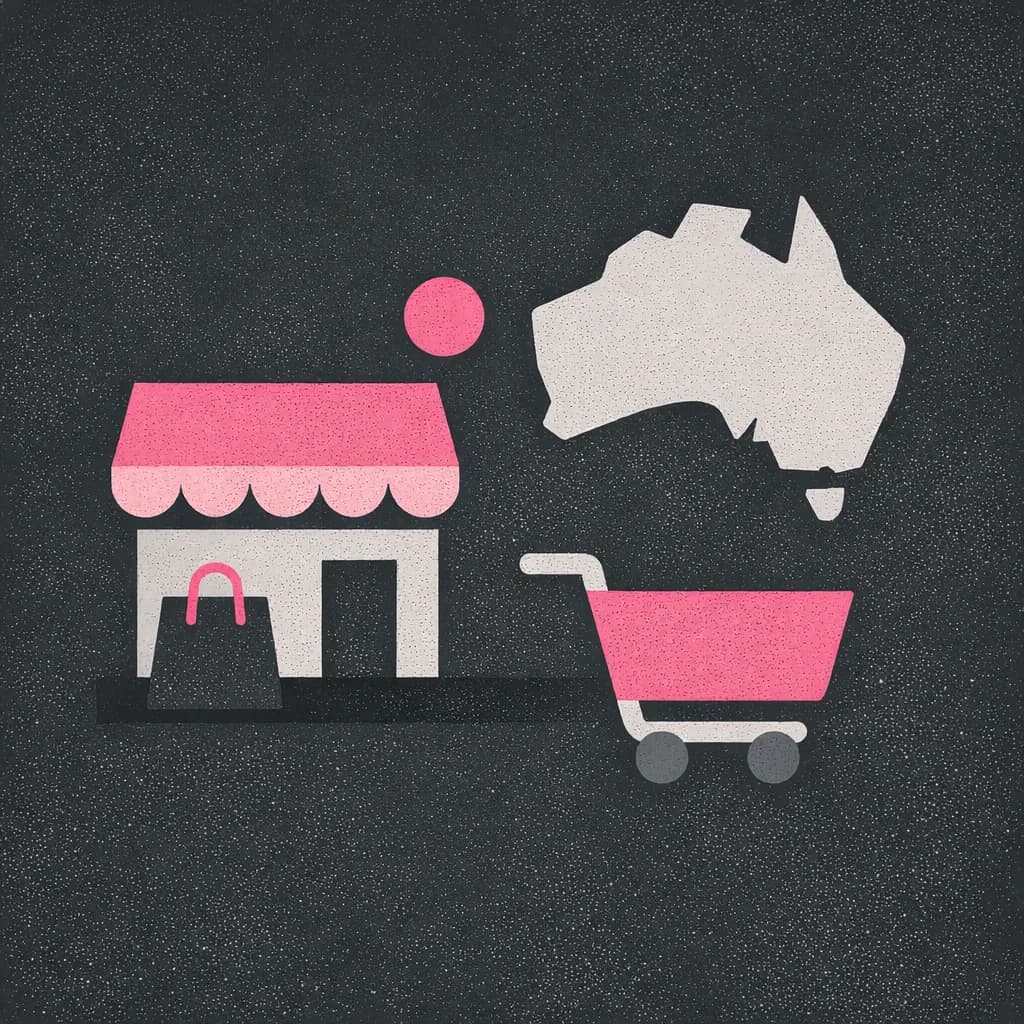
Opening a retail business in Australia offers exciting opportunities but comes with its unique challenges. Whether you're launching a boutique fashion store in Sydney or a specialty food shop in Melbourne, understanding the essentials-from location and fit-out costs to inventory management and customer experience-will set you on the path to success. This guide is designed for Australian entrepreneurs ready to build a thriving retail store, complete with practical advice grounded in the local business landscape.
Choosing the Right Location for Your Retail Business Australia
Selecting the optimal location is critical for retail success. Foot traffic, accessibility, and local demographics all influence sales potential.
- High Foot Traffic Areas: Shopping centres, main streets, and busy commercial precincts often guarantee consistent customer flow.
- Target Market Proximity: Consider where your target customers live or work. For example, a youth-oriented store might thrive near universities or entertainment hubs.
- Rental Costs: Prime locations come at a premium. Balance visibility with affordability to avoid overextending your cash flow.
- Competition Analysis: Evaluate nearby competitors. Being close to complementary businesses can be beneficial, but avoid oversaturation.
- Zoning and Permits: Check with local councils on zoning laws and permits required for your retail type.
Understanding Fit-Out Costs and Store Design
Your store’s physical appearance directly impacts customer perception and sales. Fit-out costs vary widely based on size, design complexity, and retail sector.
- Basic Fit-Out Essentials: Flooring, lighting, shelving, signage, and point-of-sale counters.
- Custom Design: Tailored interiors to reflect your brand identity may include branded walls, unique fixtures, and specialty lighting.
- Compliance Requirements: Australian standards for accessibility (e.g., Disability Discrimination Act compliance) and safety must be met.
- Trade and Contractor Management: Select reputable local tradespeople to ensure quality and timely completion.
Typical fit-out budgets in Australia range from $1,000 to $3,500 per square metre, depending on your store’s specifications and location.
Inventory Management: Stocking Your Retail Store Efficiently
Effective inventory management avoids stockouts and excess holding costs, directly impacting profitability.
- Demand Forecasting: Use historical data and market research to predict sales volumes, seasonality, and trends.
- Supplier Relationships: Build strong partnerships with reliable suppliers to negotiate better terms and ensure timely delivery.
- Inventory Turnover Rate: Aim for a turnover rate that matches your retail category - fast fashion stores require quicker turnover than specialty goods.
- Stock Control Systems: Employ digital inventory management software to track stock levels in real time and automate reordering.
Leveraging Point of Sale (POS) Systems
Modern POS systems do more than process sales; they integrate inventory tracking, customer data, and sales analytics.
- Cloud-Based Solutions: Allow access across multiple devices and locations, ideal for multi-store retail businesses.
- Australian GST Compliance: Ensure your POS can handle GST calculations and reporting to comply with ATO requirements.
- Payment Methods: Support for EFTPOS, contactless payments, and mobile wallets is essential in the Australian retail environment.
- Customer Loyalty Programs: Many POS systems include features to manage loyalty schemes, boosting repeat business.
Step 1: Assess Your Business Needs
Identify features you require such as inventory management, multi-store capability, and reporting.
Step 2: Research Australian POS Providers
Choose providers familiar with local tax laws and payment systems.
Step 3: Test the Software
Use free trials or demos to ensure usability and integration with your existing systems.
Step 4: Train Your Staff
Proper training maximizes efficiency and minimizes errors during busy trading periods.
Staffing Your Retail Store: Hiring and Managing Australian Employees
Staffing impacts customer experience and operational efficiency. Here’s what to consider when building your team:
- Employment Laws: Comply with Fair Work Australia regulations, including minimum wage, work hours, and entitlements.
- Job Roles: Typical roles include store managers, sales assistants, inventory clerks, and cleaners.
- Recruitment Channels: Use platforms like Seek, Indeed, or local job services. Consider casual or part-time employees to handle peak times.
- Training: Invest in product knowledge, customer service skills, and point-of-sale system training.
- Workplace Health & Safety: Follow Safe Work Australia guidelines to create a safe retail environment.
Enhancing Customer Experience for Long-Term Success
In retail, customer experience is king. Satisfied customers become loyal patrons and brand advocates.
- Store Ambience: Clean, well-lit, and inviting environments encourage shoppers to linger.
- Personalised Service: Train staff to engage authentically and offer tailored recommendations.
- Omnichannel Integration: Combine your physical store with online presence for convenience and broader reach.
- Feedback Mechanisms: Use surveys, social media, and direct feedback to continuously improve.
- Loyalty Programs: Reward repeat customers with discounts, exclusive offers, or early access to new products.
Legal and Financial Considerations for Your Retail Business Australia
Before launching, ensure your business is compliant with Australian regulations:
- Register for an ABN: An Australian Business Number is essential for tax and business identification.
- ASIC Registration: If operating as a company, register with the Australian Securities and Investments Commission.
- GST Registration: Required if your annual turnover exceeds $75,000. Register with the ATO to collect and remit GST.
- Business Insurance: Consider public liability, workers’ compensation, and stock insurance.
- Record Keeping: Maintain accurate financial records for ATO reporting and business analysis.
Domain presence is a vital part of your brand’s identity. Using a professional domain from a trusted source like Dotto can help you establish credibility and attract customers online.
- Location choice significantly impacts retail success-balance foot traffic with rental costs.
- Fit-out costs vary; plan for contingencies and ensure compliance with Australian standards.
- Efficient inventory and POS systems streamline operations and improve customer service.
- Compliance with Australian employment and consumer laws protects your business and customers.
- A strong customer experience strategy drives loyalty and repeat business in the competitive retail sector.