How to Get a Business Licence in Australia
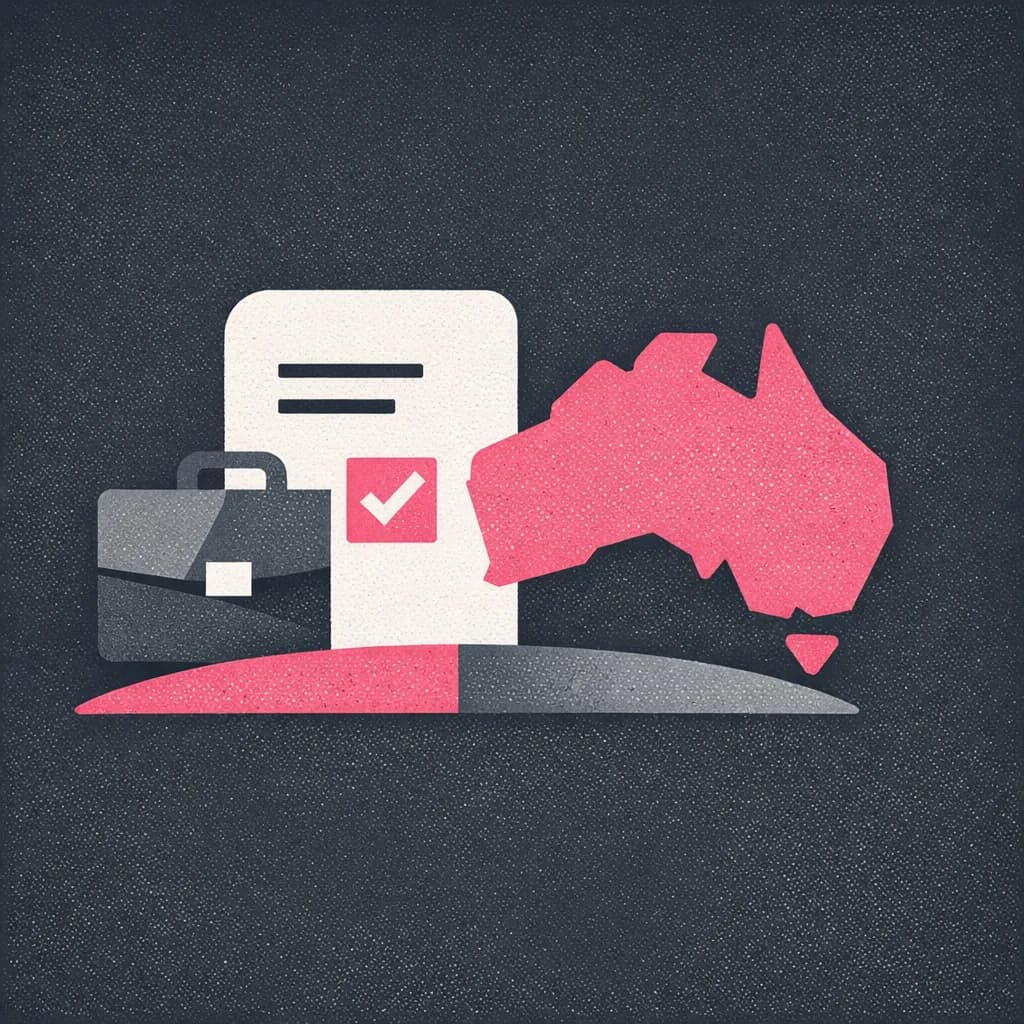
Navigating the business licensing landscape in Australia is a critical step toward establishing a compliant and successful enterprise. Whether you're launching a startup, expanding operations, or entering a new market, understanding the business license Australia requirements ensures you meet legal obligations and avoid costly penalties. This comprehensive guide breaks down the essentials of business licensing, registration, and compliance across federal, state, and local levels, empowering Australian entrepreneurs with actionable insights.
Understanding Business Licenses in Australia
In Australia, a business license is a formal permission required to operate legally within specific industries or locations. The licensing system is multilayered, involving:
- Federal licenses issued by national bodies relevant to industries like broadcasting, import/export, or aviation.
- State and territory licenses governed by state governments for sectors such as construction, hospitality, and healthcare.
- Local council permits that address zoning, signage, and health regulations.
Each business must carefully identify which licenses apply based on its activities, location, and industry.
Why Are Business Licenses Important?
Obtaining the correct licenses ensures your business complies with Australian laws, protects consumers, and maintains industry standards. Operating without the necessary licenses can result in fines, legal actions, or forced closure.
Key Regulatory Bodies
- Australian Securities and Investments Commission (ASIC): Oversees company registration and compliance.
- Australian Business Register (ABR): Issues Australian Business Numbers (ABN), a fundamental identifier for taxation and licensing.
- Australian Taxation Office (ATO): Manages tax registrations, including GST.
- State and Territory Governments: Administer licenses for trades, health, and safety.
- Local Councils: Handle permits related to land use and environmental compliance.
Federal, State, and Local Licenses: What You Need to Know
Federal Licenses
Certain industries require federal licensing due to nationwide regulation. Examples include:
- Importing and exporting goods
- Broadcasting and telecommunications
- Customs and quarantine
- Aviation and maritime operations
Federal licenses are typically managed by departments such as the Department of Agriculture, Fisheries and Forestry or the Australian Communications and Media Authority (ACMA).
State and Territory Licenses
Each Australian state and territory issues licenses relevant to its jurisdiction. For example:
- New South Wales: Construction, real estate, and liquor licenses.
- Victoria: Health, building, and transport licenses.
- Queensland: Tourism, mining, and food handling permits.
You can check the specific requirements on your state government’s business portal.
Local Council Permits
Local councils regulate activities at a community level:
- Zoning approvals
- Outdoor advertising permits
- Food business registrations
- Waste disposal and environmental permits
Contact your local council early to identify necessary permits and avoid delays.
Industry-Specific Permits and Compliance Obligations
Certain industries have additional licensing and compliance requirements beyond general business registration:
- Food and Hospitality: Food safety programs, health inspections, and liquor licenses.
- Construction and Trades: Contractor licenses, safety certifications, and insurance.
- Healthcare: Professional registration, privacy compliance, and clinical governance.
- Financial Services: ASIC licensing and compliance with the Australian Financial Services License (AFSL) framework.
Compliance is ongoing - staying updated with changes in legislation and renewing licenses on time is essential.
How to Register and Obtain Your Business License in Australia
Securing your business license Australia involves several coordinated steps to ensure compliance with federal, state, and local regulations.
Step 1: Register Your Business Structure and Obtain an ABN
Choose your business structure (sole trader, partnership, company) and register with ASIC if applicable. Apply for an Australian Business Number (ABN) via the Australian Business Register (ABR).
Step 2: Identify Required Licenses and Permits
Use tools like ABLIS and consult state/territory business portals to determine all necessary licenses for your industry and location.
Step 3: Apply for Licenses Through Relevant Authorities
Submit applications to federal departments, state agencies, and local councils. Prepare supporting documentation such as identity proofs, qualifications, and safety plans.
Step 4: Comply With Ongoing Obligations
Maintain records, renew licenses before expiry, and adhere to reporting and audit requirements.
Additional Compliance Considerations: GST, Taxation, and Record-Keeping
Once licensed, Australian businesses must also:
- Register for GST (Goods and Services Tax) if turnover exceeds $75,000 per annum.
- File regular Business Activity Statements (BAS) with the ATO.
- Maintain accurate financial records for auditing and tax purposes.
- Comply with workplace health and safety regulations (WorkSafe or equivalent authorities).
- Protect consumer rights and privacy under Australian Consumer Law and the Privacy Act.
Failing to meet these compliance obligations can disrupt operations and damage your reputation.
Building a Professional Brand Presence Online
While securing the right licenses is crucial for legal operation, establishing a professional online identity is equally important for business success. Choosing a memorable domain name that reflects your brand builds credibility and enhances customer trust.
Dotto offers a streamlined platform to search and secure premium domain names tailored to Australian businesses - an essential step in reinforcing your brand’s digital footprint.
- Business licenses in Australia vary by federal, state, and local levels-know which apply to your enterprise.
- Use official resources like ABLIS and governmental portals to identify licensing requirements.
- Registration steps include obtaining an ABN, applying for licenses, and maintaining ongoing compliance.
- Industry-specific permits and regulations require careful attention to detail.
- A professional domain name complements your licensed business, enhancing your brand presence online.